
Diabetes: Type 1 vs Type 2, and What Treatment Is Trying to Do
Diabetes is really two different diseases that share one number. In type 1 the body has no insulin; in type 2 it has plenty but has stopped listening to it. That single distinction decides everything — which drugs work, why type 1 always needs insulin, and why type 2 has a dozen drug classes to choose from. Get the difference clear, and the entire diabetes toolkit organises itself.
Insulin is the hormone that lets glucose leave the blood and enter the body's cells to be used for energy — it is the key that unlocks the door. In diabetes, glucose piles up in the blood because that key isn't working. But there are two very different reasons why. In type 1 diabetes, the immune system has destroyed the cells that make insulin, so there is no key at all — usually starting in childhood or young adulthood. In type 2 diabetes, there is plenty of insulin, but the body's cells have become deaf to it (insulin resistance) and, over years, the overworked pancreas begins to tire — the classic disease of adulthood, obesity and inactivity. Same high blood sugar, opposite mechanisms. Everything about treatment flows from which one you're facing.
Why the type dictates the drug
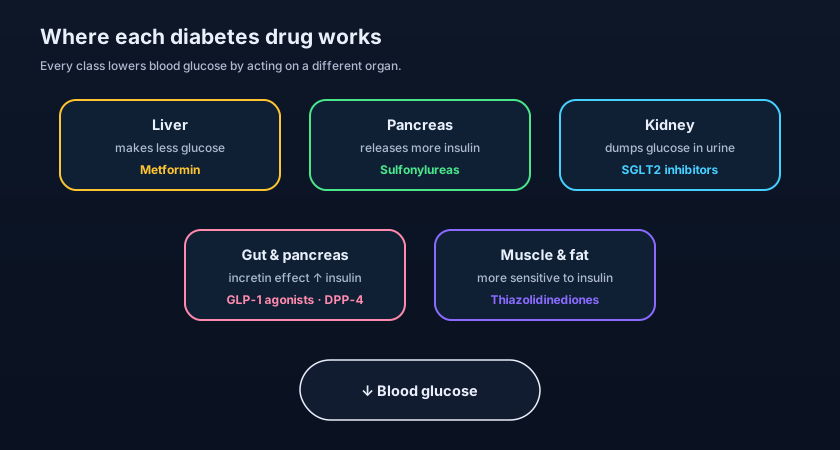
No insulin means you must give insulin; deaf cells mean you have options. This is the most important consequence to lock in. Type 1 has NO insulin, so the only rational treatment is to replace it — insulin injections, for life, no exceptions. Oral drugs that squeeze more insulin out of the pancreas are pointless when the pancreas is empty. Type 2 still has a working (if struggling) pancreas and abundant insulin, so the strategy is different: make the body listen better, make the pancreas release a bit more, or get rid of glucose by another route entirely. That's why type 2 has a whole menu of tablets and injectables — each nudges the system at a different point — whereas type 1 has essentially one answer. A dangerous exam trap and real-world error is giving a type 1 patient a drug that 'stimulates insulin release' and expecting it to work; there is nothing there to stimulate.
What are we actually aiming for?
Treatment has two goals, and it helps to keep them separate. The short-term goal is to keep blood glucose in a safe range day to day — not so high that the patient feels unwell and organs are bathed in sugar, and not so low that they collapse from hypoglycaemia. The long-term goal, which is the real prize, is to prevent the complications that chronically high glucose causes over years: damage to small vessels (the eyes, kidneys and nerves) and large vessels (heart attacks and strokes). The number that tracks long-term control is HbA1c — a blood test reflecting the average glucose over the previous two to three months, because glucose sticks to red blood cells in proportion to how much is around. A rough target is often around 7%, but it's individualised: tighter for a young, fit patient with much to lose to complications; looser for a frail, elderly patient in whom the danger of hypoglycaemia outweighs the benefit of tight control. Modern type 2 treatment increasingly chooses drugs not just to lower that number, but to protect the heart and kidneys directly — a theme you'll meet with the newer classes.
- Type 1 = no insulin (autoimmune destruction) → must give insulin, for life.
- Type 2 = insulin resistance + a tiring pancreas → many drug options, insulin later if needed.
- Insulin-stimulating drugs are useless in type 1 — there's nothing left to stimulate.
- HbA1c reflects average glucose over ~2–3 months; a common target is ~7%, individualised.
- The real aim is preventing complications — small vessels (eyes/kidneys/nerves) and large (heart/stroke).
The whole diabetes drug section becomes easy once you frame it as a question of supply versus listening. Type 1 is a supply problem — the factory is destroyed, so you must import insulin. Type 2 is mostly a listening problem — there's plenty of insulin but the cells ignore it, so most type 2 drugs either improve listening (metformin, thiazolidinediones), turn up supply a little (sulfonylureas, incretins), or bypass the whole argument by throwing glucose away in the urine (SGLT2 inhibitors). Every time you learn a new diabetes drug, slot it into that frame — supply, listening, or disposal — and its logic, and its main risk, will already make sense.
- Giving a type 1 patient oral insulin-secretagogues — the pancreas can't respond.
- Stopping insulin in a type 1 patient who is unwell — risks DKA (never omit basal insulin).
- Chasing a very tight HbA1c in a frail elderly patient — hypoglycaemia can do more harm.
- Treating the glucose number while ignoring heart/kidney protection now offered by newer drugs.
Why won't a drug that stimulates insulin release help a type 1 diabetic?
- Type 1 = no insulin → insulin replacement for life; type 2 = insulin resistance → many options.
- Insulin-stimulating drugs don't work in type 1 — the pancreas is empty.
- HbA1c tracks average glucose over 2–3 months; target ~7%, individualised.
- The goal is preventing small- and large-vessel complications, not just the number.
- Katzung BG. Basic & Clinical Pharmacology — Pancreatic Hormones & Antidiabetic Drugs.
- Brunton LL, et al. Goodman & Gilman's The Pharmacological Basis of Therapeutics — Endocrine pancreas & antidiabetic drugs.
- ADA — Standards of Care in Diabetes (classification & glycaemic targets).
- Rang HP, Dale MM, et al. Rang & Dale's Pharmacology — The endocrine pancreas & diabetes.